
Melatonin is one of the most popular ways people try to switch off at night. But more people are asking whether they want a hormone in their nightly routine, and what else has actually been studied. This guide covers what melatonin is, why some people look for options without it, and what the research says about five plant and amino-acid ingredients used for relaxation.
What melatonin is
Melatonin is a hormone your brain makes when it gets dark. It tells your body clock that night has arrived. As a supplement, it's sold in Canada as a licensed natural health product, with Health Canada allowing 0.1 mg to 10 mg a day for adults (Health Canada monograph), and it's widely used for jet lag and short-term trouble falling asleep.
So melatonin isn't "unnatural" or dangerous. It's simply a hormone, and for some people that's the reason to look elsewhere.
Why some people look for options without melatonin
- It's a hormone. Some people prefer not to add a hormone to a nightly routine, especially one they'd use for months.
- Long-term use is still being studied. In 2025, researchers presented an analysis of health records from about 130,000 adults with insomnia at the American Heart Association's scientific sessions. People with a year or more of melatonin prescriptions had a higher rate of heart failure over five years. It's an early, observational finding: it shows a link, not cause and effect, and it hadn't been peer-reviewed yet. (American Heart Association, 2025)
- Next-day grogginess. Labels for melatonin products in Canada warn against driving or using machinery for several hours after a dose.
- Stress isn't only a bedtime problem. Many people feel wound up at 3 pm, not just at 11 pm, and melatonin isn't meant for daytime use.
What's been studied instead
These five ingredients have been tested in human trials for stress and relaxation. Results vary in size and quality, so we've noted the limits of each.
1. Ashwagandha
An herb used for centuries in Ayurvedic tradition. In a 60-day trial of 64 adults with chronic stress, 600 mg a day lowered stress scores and cortisol more than placebo (Chandrasekhar et al., 2012). A review of 12 trials found the clearest stress benefit at 300–600 mg a day, though the authors rate the evidence as low certainty (Akhgarjand et al., 2022).
2. L-theanine
An amino acid found in tea, and part of why a cup of green tea feels calm rather than jittery. In a 4-week trial, 200 mg a day improved stress-related symptoms and sleep-quality scores in healthy adults (Hidese et al., 2019; some authors worked for the supplier). A 2025 review of 19 studies found small improvements in sleep quality, noting that few studies used L-theanine on its own (Bulman et al., 2025).
3. Lemon balm
A mint-family herb. In a small lab study, a single 600 mg dose made people feel calmer during a stress test (Kennedy et al., 2004). A review of trials found lower anxiety scores in short-term use, with results that varied between studies (Ghazizadeh et al., 2021).
4. Chamomile
The classic bedtime tea. In 60 adults over 60, 400 mg a day for 28 days improved sleep-quality scores (Adib-Hajbaghery & Mousavi, 2017). A review of 12 trials found better sleep quality but no difference in insomnia severity (Hieu et al., 2019).
5. GABA
A calming messenger your brain makes, also found in fermented foods. In a drink-based study, 50 mg reduced mental fatigue and stress markers during a long, demanding task (Kanehira et al., 2011; run by a beverage company). Whether GABA taken by mouth reaches the brain is still debated.
For every study, dose and limit, see our ingredient research library.
Habits that help, whatever you choose
- Dim the lights and put screens away 30–60 minutes before bed.
- Keep the same wake-up time, even on weekends.
- Cut caffeine after early afternoon.
- Build a short wind-down ritual your body learns to expect: a walk, a stretch, a warm drink.
What we chose for Inner Peace
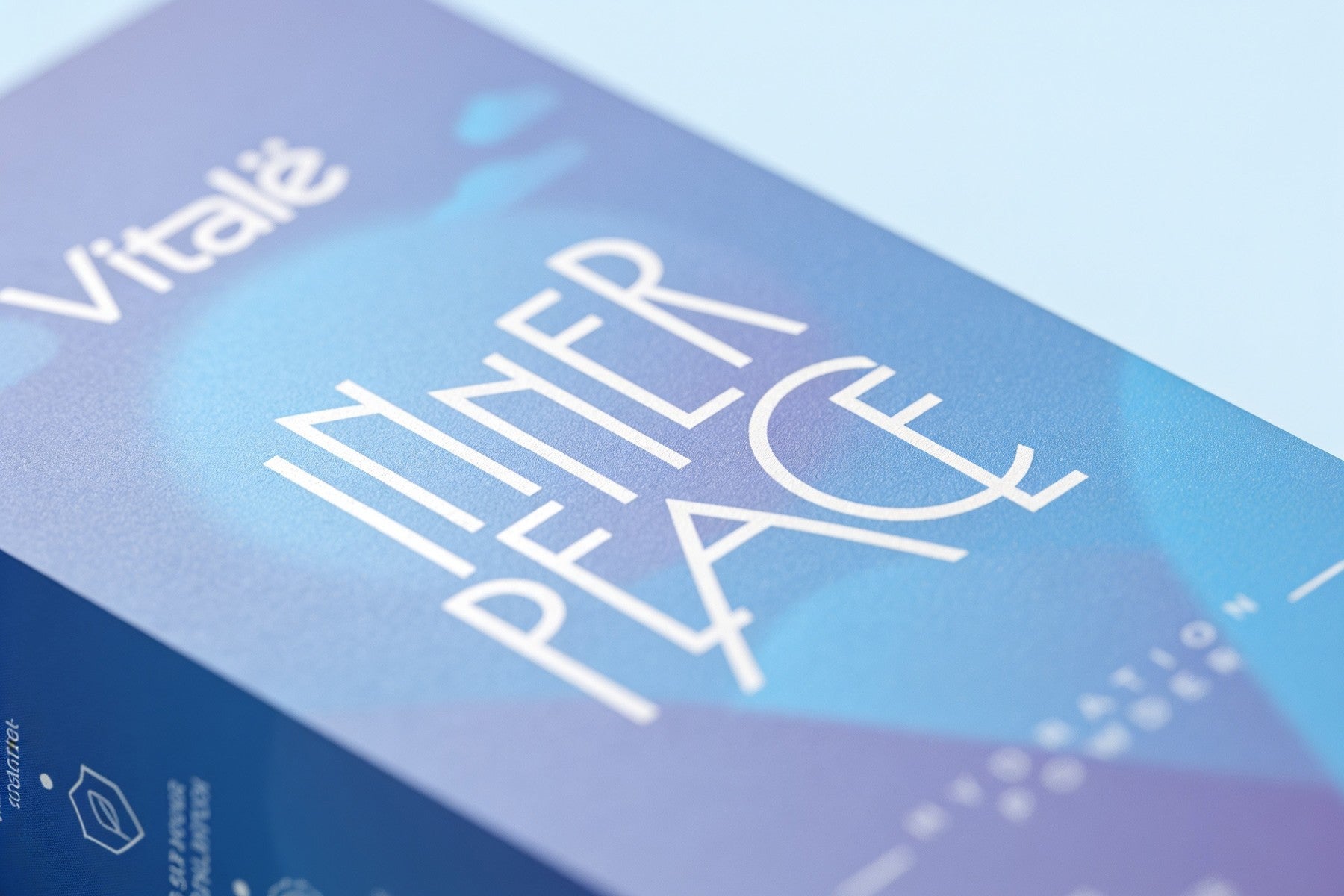
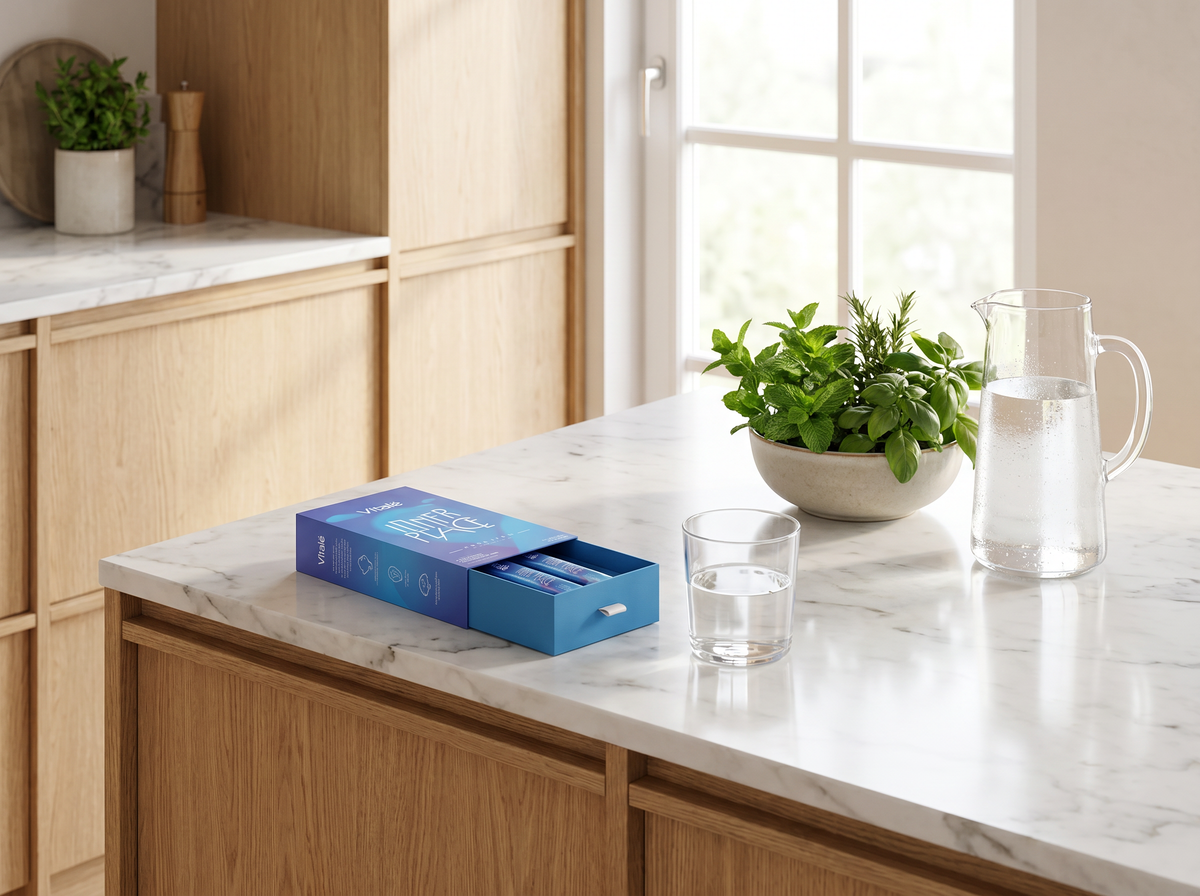
We left melatonin out of Vitalë Inner Peace™ on purpose. It's a 10-in-1 formula: each tropical lemonade stick pack combines five actives (ashwagandha, L-theanine, GABA, lemon balm and chamomile) with five functional ingredients (glycine, phosphatidylserine, Fibersol-2 fibre, malic acid and electrolytes), with no melatonin and 0 g added sugar. It's licensed by Health Canada (NPN 80147633) to help temporarily promote relaxation and reduce stress and mental fatigue, and many people make it part of an evening wind-down.
Several of these ingredients have also been studied for sleep. A review of five trials with 400 adults found that ashwagandha extract taken daily improved overall sleep, with the clearest effect at 600 mg a day or more for 8 weeks or longer (Cheah et al., 2021). If trouble sleeping lasts more than a few weeks, talk to a doctor or pharmacist.
Frequently asked questions
Is melatonin bad for you?
Melatonin is approved for sale in Canada and is generally considered safe for short-term use in adults. Questions remain about long-term use, which is why some people prefer options without it.
Can I take these ingredients with melatonin?
Some combinations can add up to more drowsiness. Ask a pharmacist before combining products, especially if you take other medication.
Does Inner Peace contain melatonin?
No. Inner Peace contains no melatonin and no hormones.
When should I drink Inner Peace?
Once a day, whenever stress tends to build for you: many people have it in the afternoon or as part of their evening routine. Drowsiness may occur, so use caution when driving. Follow the label.
This article is for information only and isn't medical advice. Study results describe the ingredients studied, at the doses studied; they aren't claims about Vitalë Inner Peace™. Check with a healthcare practitioner if you're pregnant or breastfeeding, take medication, or have a health condition.
